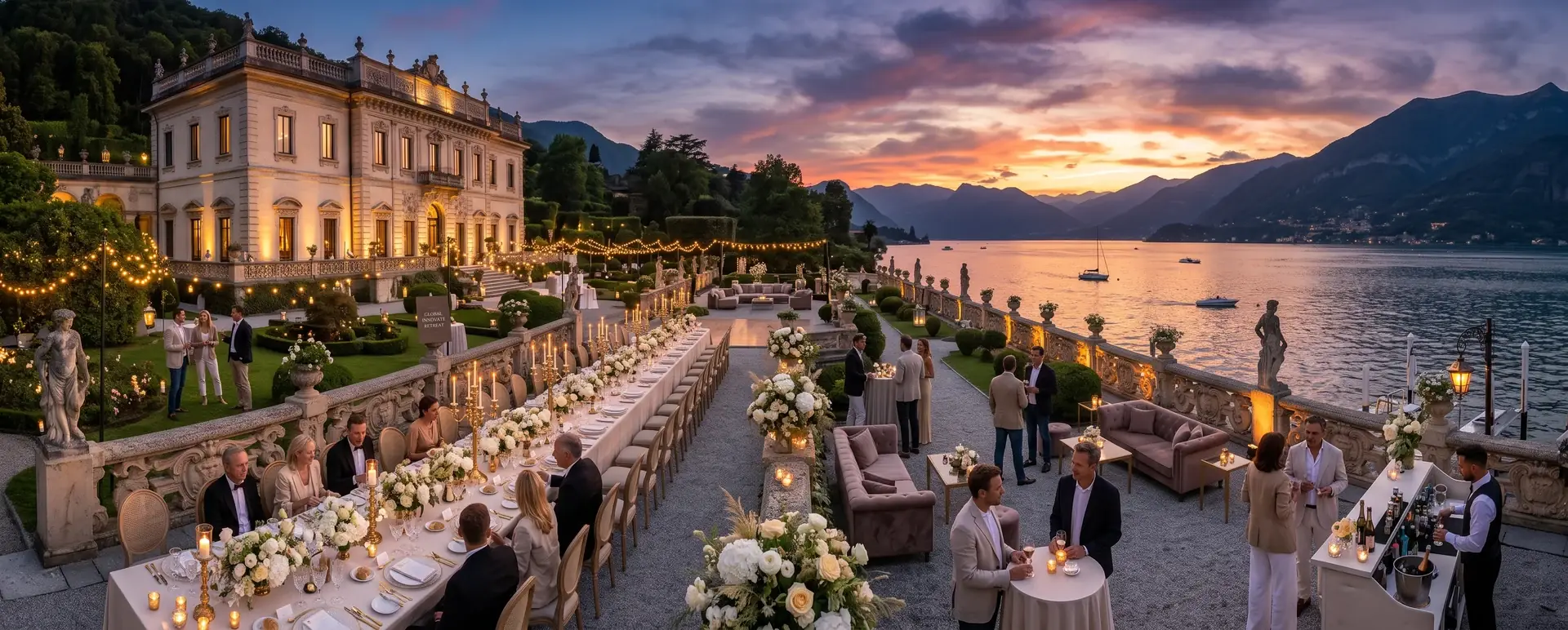
Weddings & events in Italy, from abroad
Getting married, or celebrating, in an Italian villa or castle.
For couples and companies based abroad: how to plan a wedding, a gala or a private celebration in Italy's historic venues, what to expect, the real places, and why a local agency handles the parts you can't do from a distance.
Which events can be “luxury” events
There isn't just one kind of luxury event. The category includes weddings and civil unions, but also significant private parties (a birthday, an anniversary, a family celebration), corporate galas and charity dinners, product launches, high-profile conferences, and the incentive trips a company offers its network. What they have in common isn't scale or guest count, but three things: a venue that isn't generic (a historic villa, a castle, a palace, a village), a level of attention to detail you won't find in a standard package, and suppliers chosen one by one for that specific occasion.
What makes a venue right for a luxury event
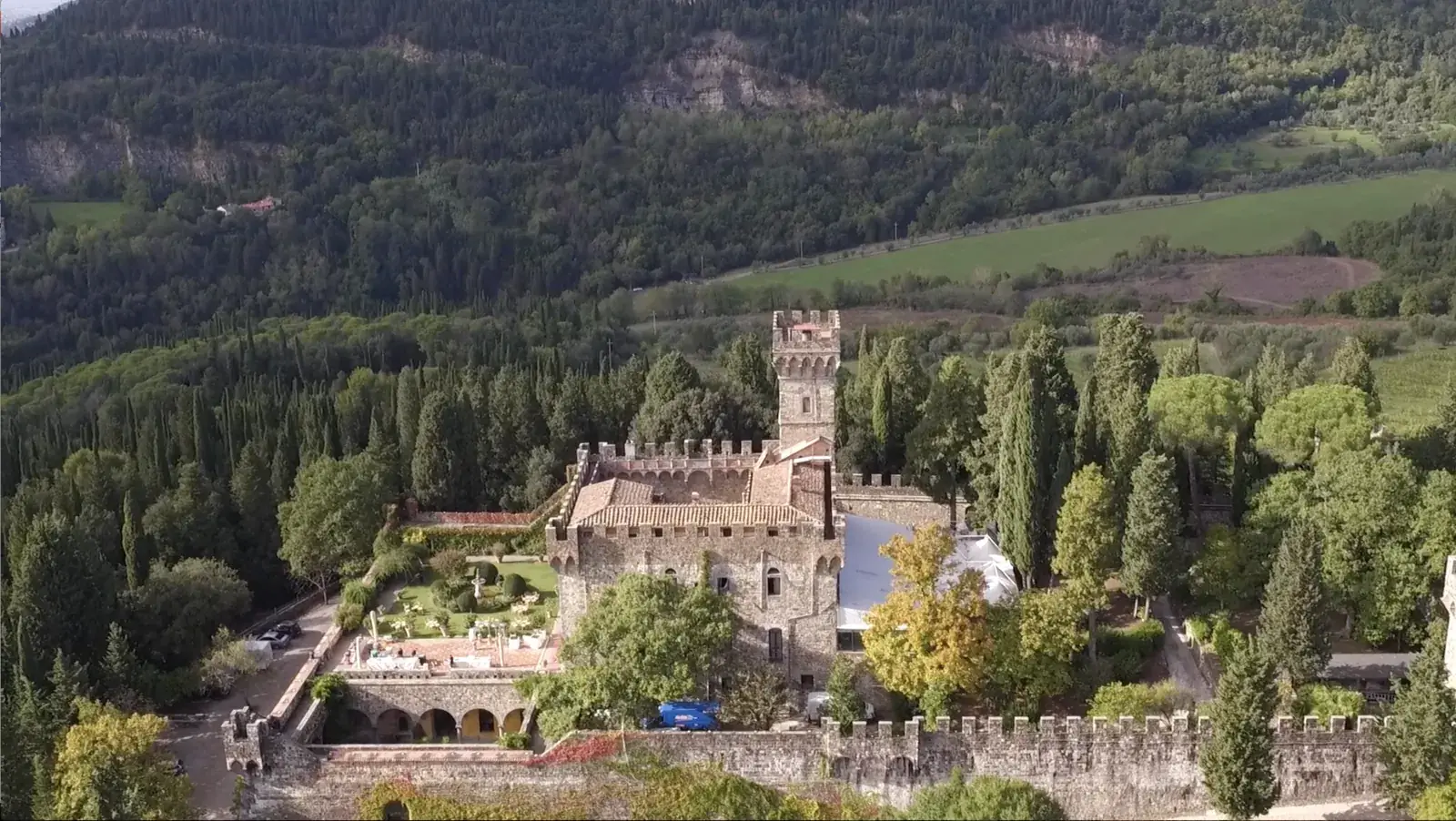
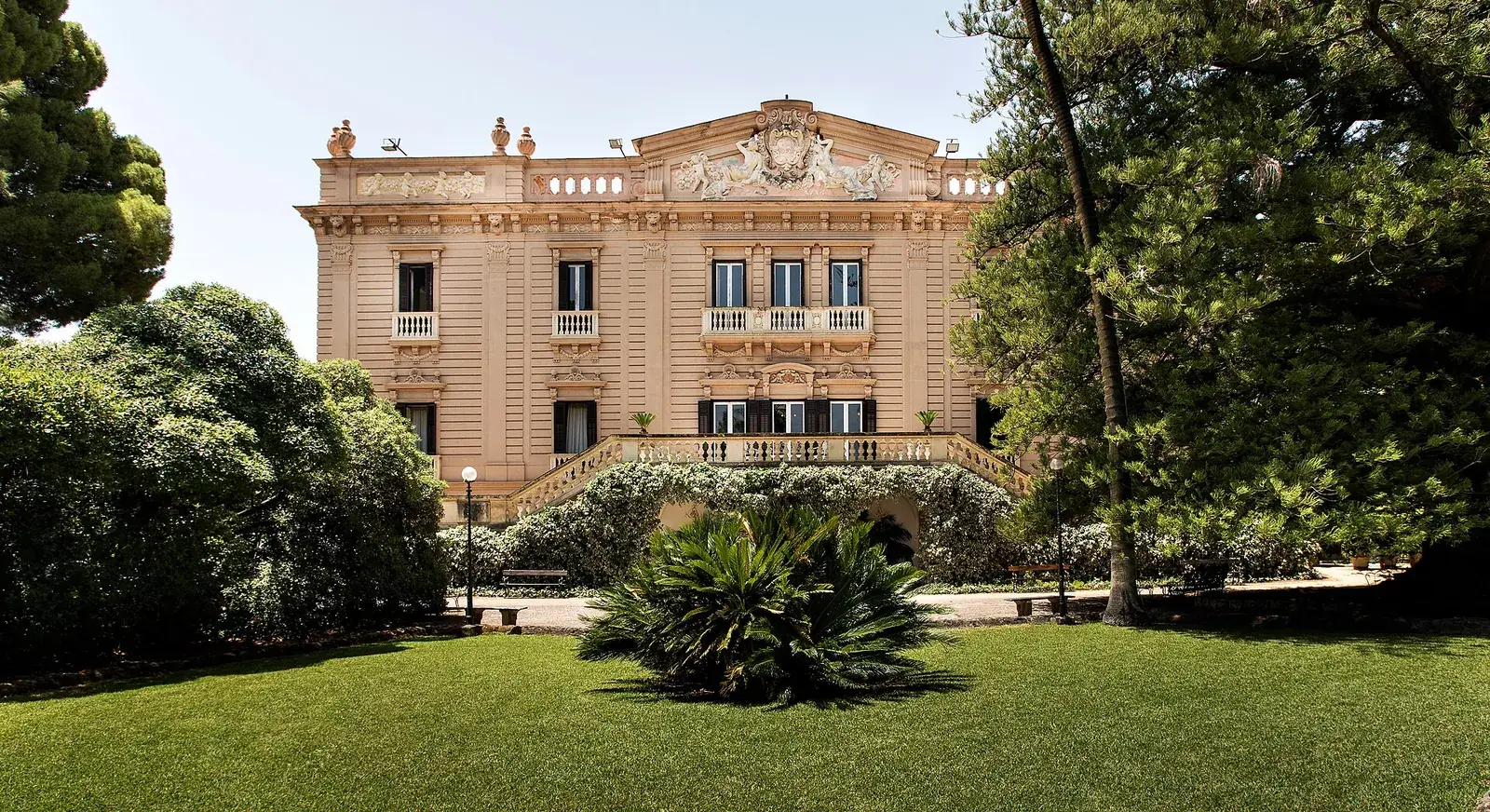
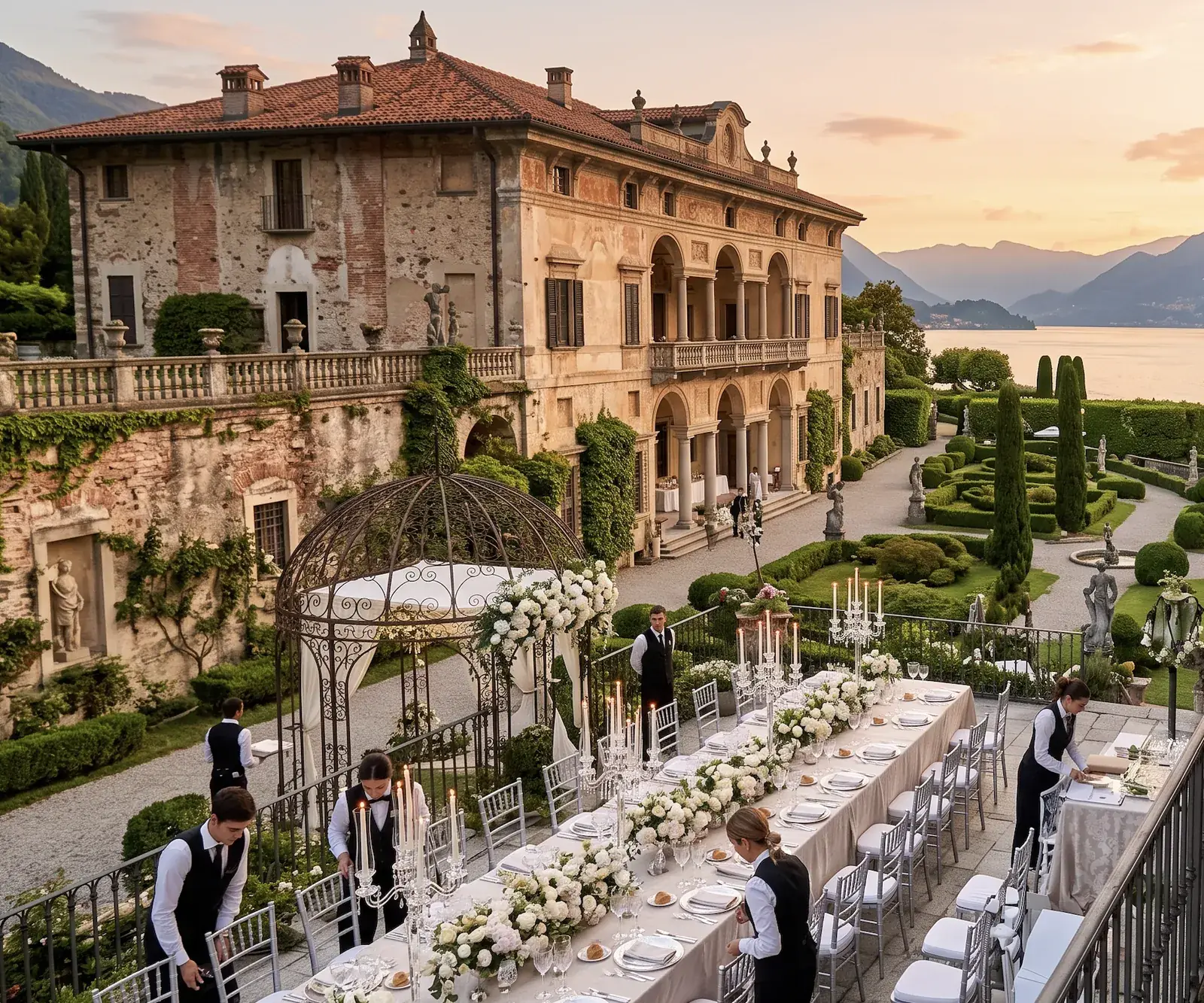
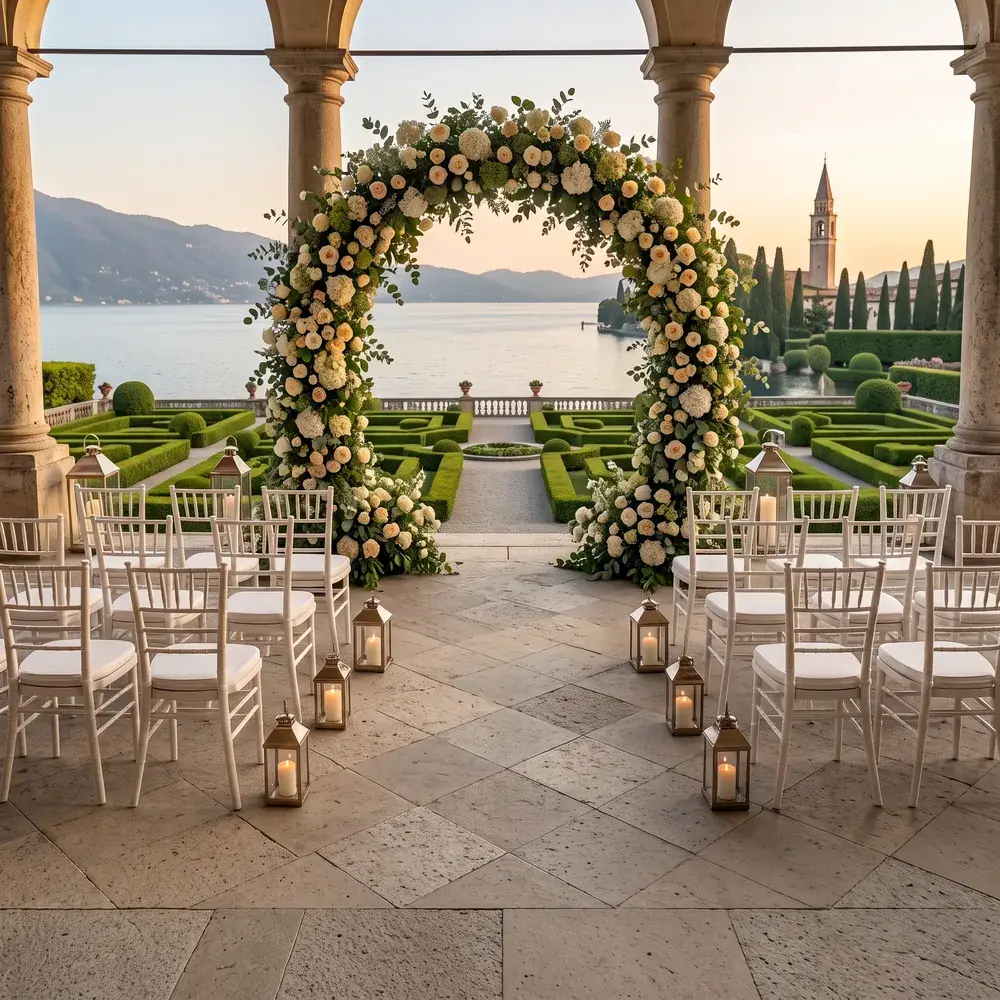
At a luxury event the venue isn't just a backdrop: it's often what guests remember most. A castle with a thousand years of history, a villa overlooking a lake, a palace in the heart of an art city, a village rebuilt specifically to host events, each already tells a story before the event even begins. The things worth checking are concrete: the real capacity of the indoor and outdoor spaces, an indoor backup plan for bad weather, accessibility for guests, restrictions on music and timing (common in historic residences), and whether the spaces can be held exclusively. The most sought-after venues get booked 12 to 18 months ahead of the date.
Who's involved in planning a luxury event
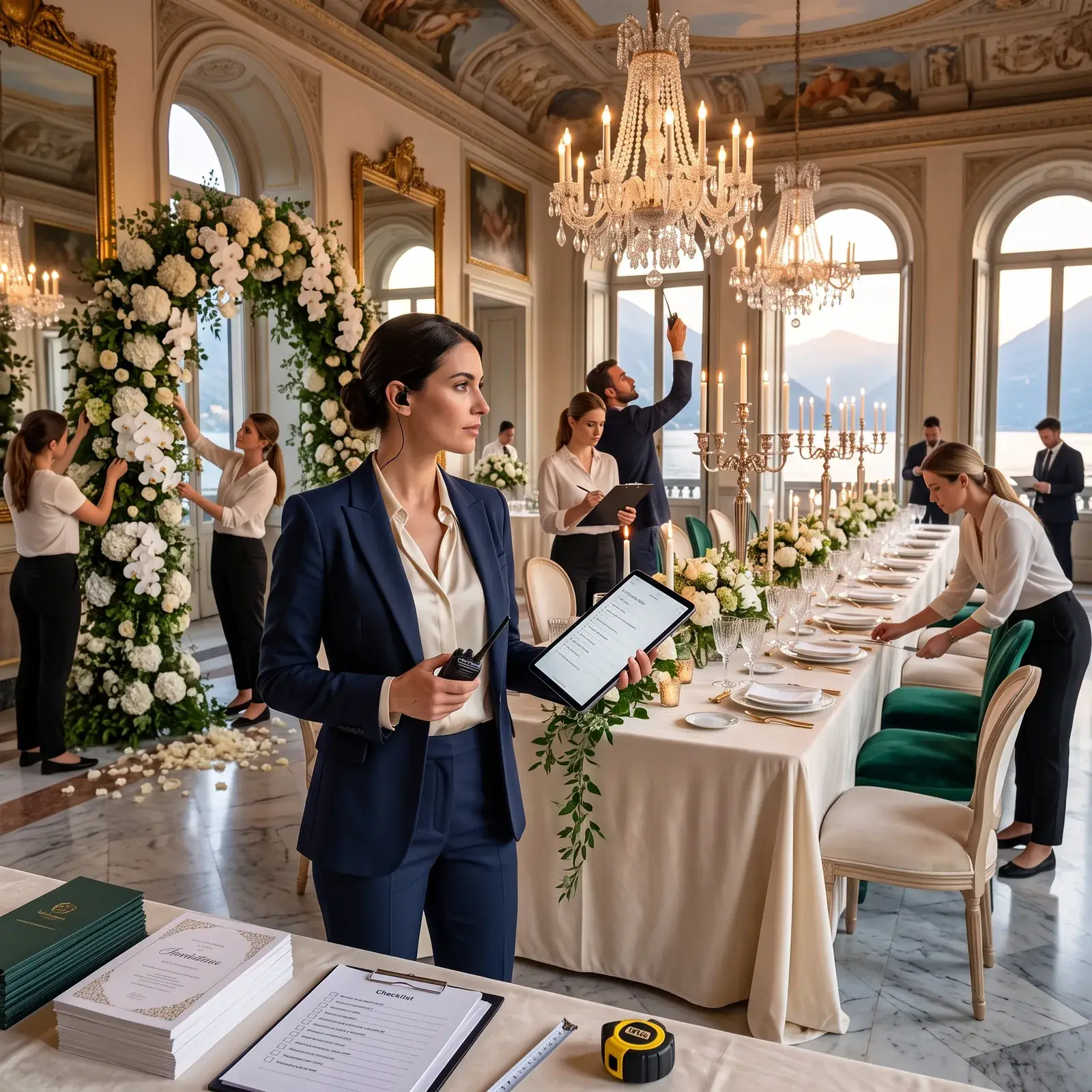
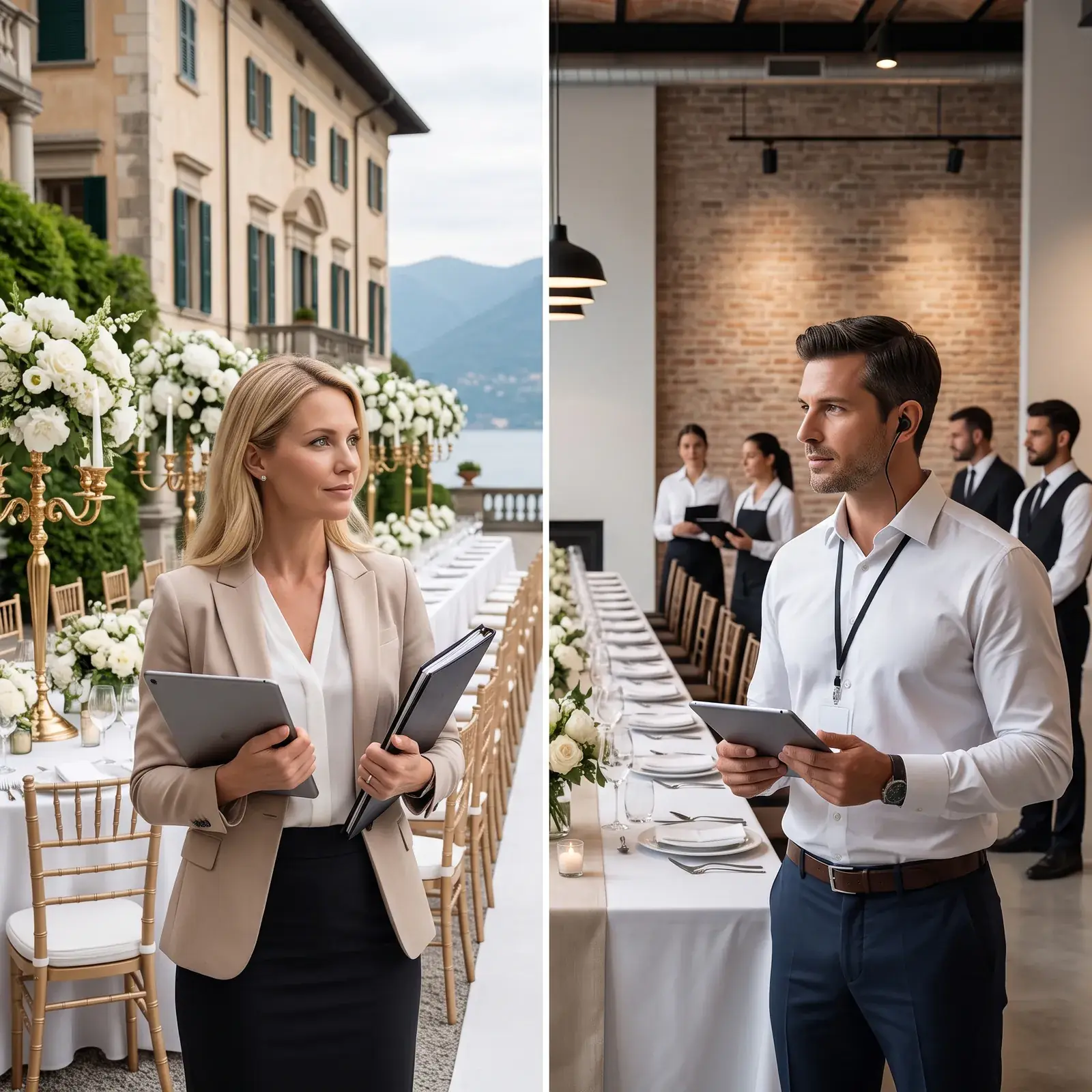
Behind a well-executed luxury event there are usually several professionals working together: a wedding or event planner who manages the project as a whole, the venue's own banqueting team handling spaces and setup, and individual suppliers (catering, flowers, music, photography) chosen for that specific occasion. For conferences the role is a PCO, for events with guests from abroad a DMC. Understanding who does what before you start avoids overlapping responsibilities and helps you see where the budget should really go.
Planning from abroad: what a local agency handles for you
Organising a wedding in a villa on the lake, or a corporate event in a historic palace, while you live in another country means running a project remotely, in a language and a system you don't know. This is the practical case for a local agency or event planner: not a luxury add-on, but the person on the ground who does what you can't do from a distance.
- Site inspections: you can't fly over for every viewing. The agency visits the venues, checks the things photos hide (kitchen, power, noise, wet-weather plan, access) and sends you a shortlist.
- Language and local suppliers: quotes, contracts and day-to-day coordination happen in Italian. The agency is your single interface.
- Legal paperwork: a legally valid marriage for foreign citizens needs specific documents (a nulla osta or certificate of no impediment from your consulate, sometimes an atto notorio, plus translations), with their own offices and lead times, and rules that vary by nationality. Many couples marry legally at home and hold a symbolic ceremony in Italy instead.
- Permits and authorisations: SIAE, INPS clearance, municipal authorisations, all filed locally, weeks in advance.
- Payments: Italian suppliers work with deposits and bank transfers on Italian schedules. The agency manages the payment calendar.
- Local knowledge: which suppliers are reliable, what a fair price is, and the realistic timing of things in that region.
- On the day: someone physically present from setup to breakdown, in the right time zone, who can solve a problem while you're getting ready.
What each of these looks like in detail is set out on the area pages, above all in the weddings section.
The site inspection: the step you don't skip
Photos convey the atmosphere but not the details that decide whether an event works: whether the kitchen is fitted or has to be brought in, where guests park, how much power there is, how much noise carries from outside, whether the rain backup is a real room or a marquee. For an event in a historic residence these change everything. People organising from a distance usually delegate the first round to the planner and make a single focused visit for the shortlist.
Permits, authorisations and insurance
An event in a historic venue almost always involves an authorisation side: SIAE for music, INPS clearance for performers and technicians, a public entertainment licence for events open to the public, a commission check when structures are built, a safety plan for large numbers, and public liability insurance for which insurers ask in advance for the date, venue, number of attendees and activities. In practice the agency or the venue handles this, but these are steps with their own lead times, some of them weeks.
How long it takes and how much it costs
A high-end wedding or a large corporate event with production takes 12 to 18 months; a convention or a gala dinner 3 to 6 months; a simple internal event just a few weeks. On cost, there's no useful average figure: it depends on the venue, the guest count, the level of the suppliers, the technical production and the time of year. In both cases the logic is the same: first you fix the objective and the budget, then the venue, then the suppliers. Starting late means choosing from what's left.
The areas
explore by type of event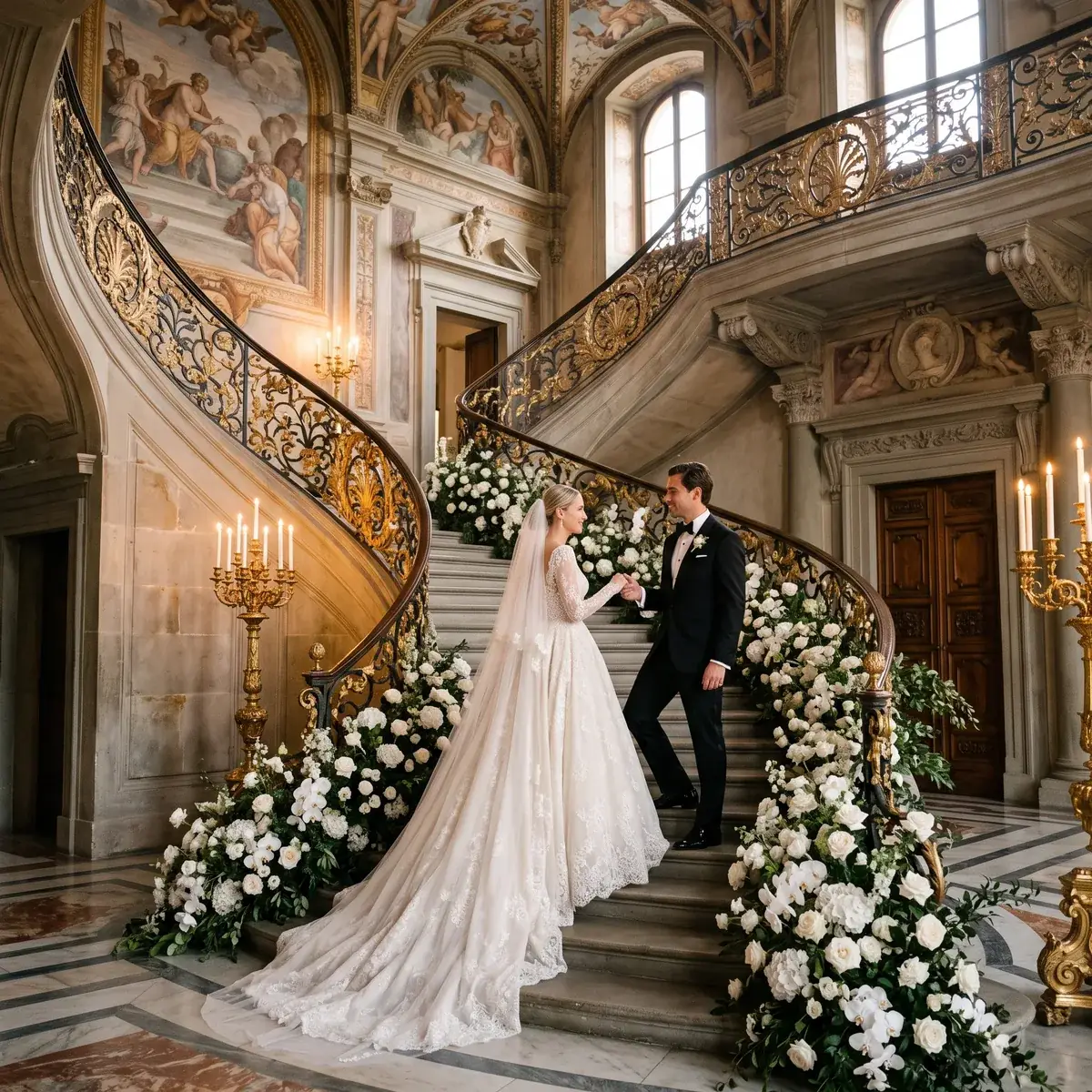
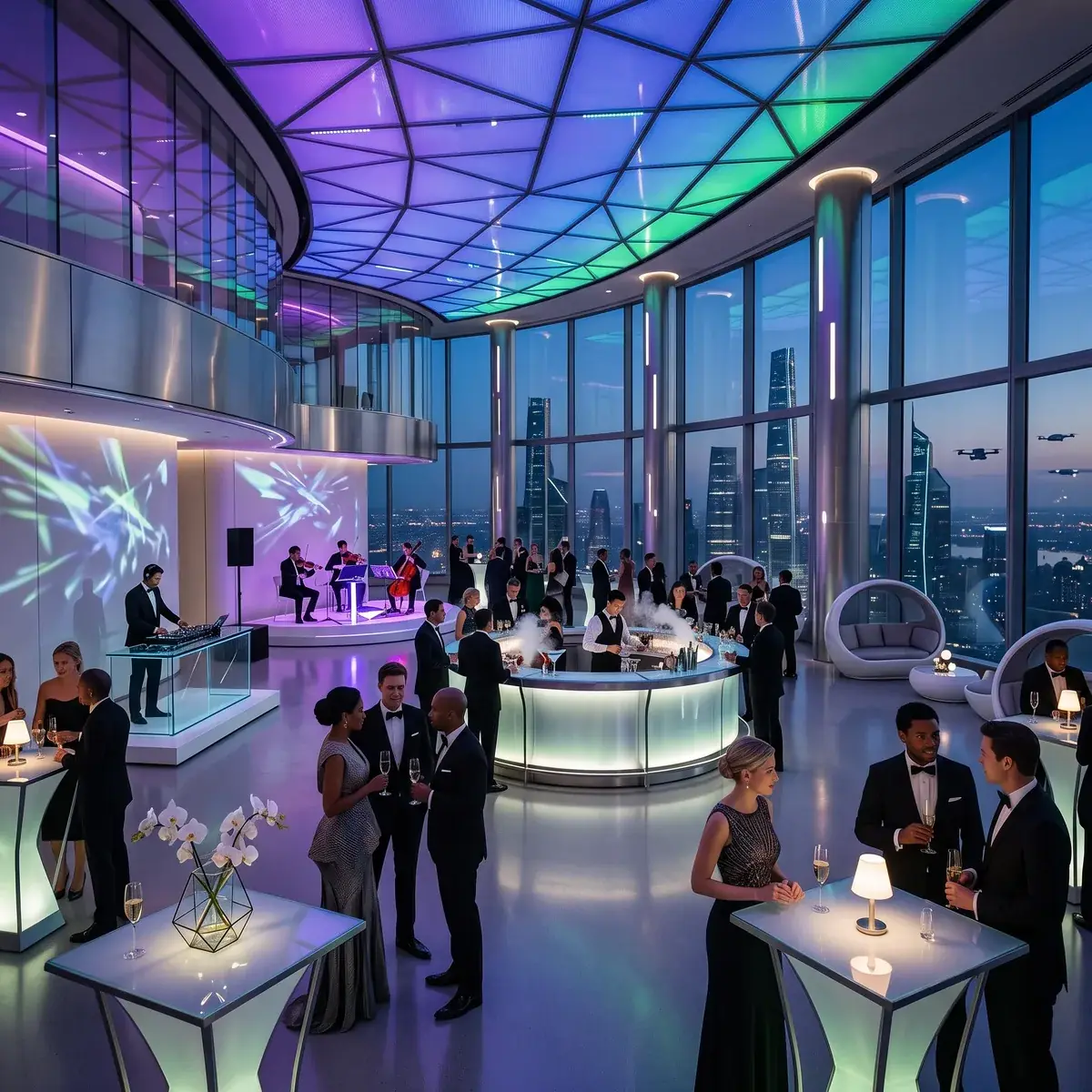

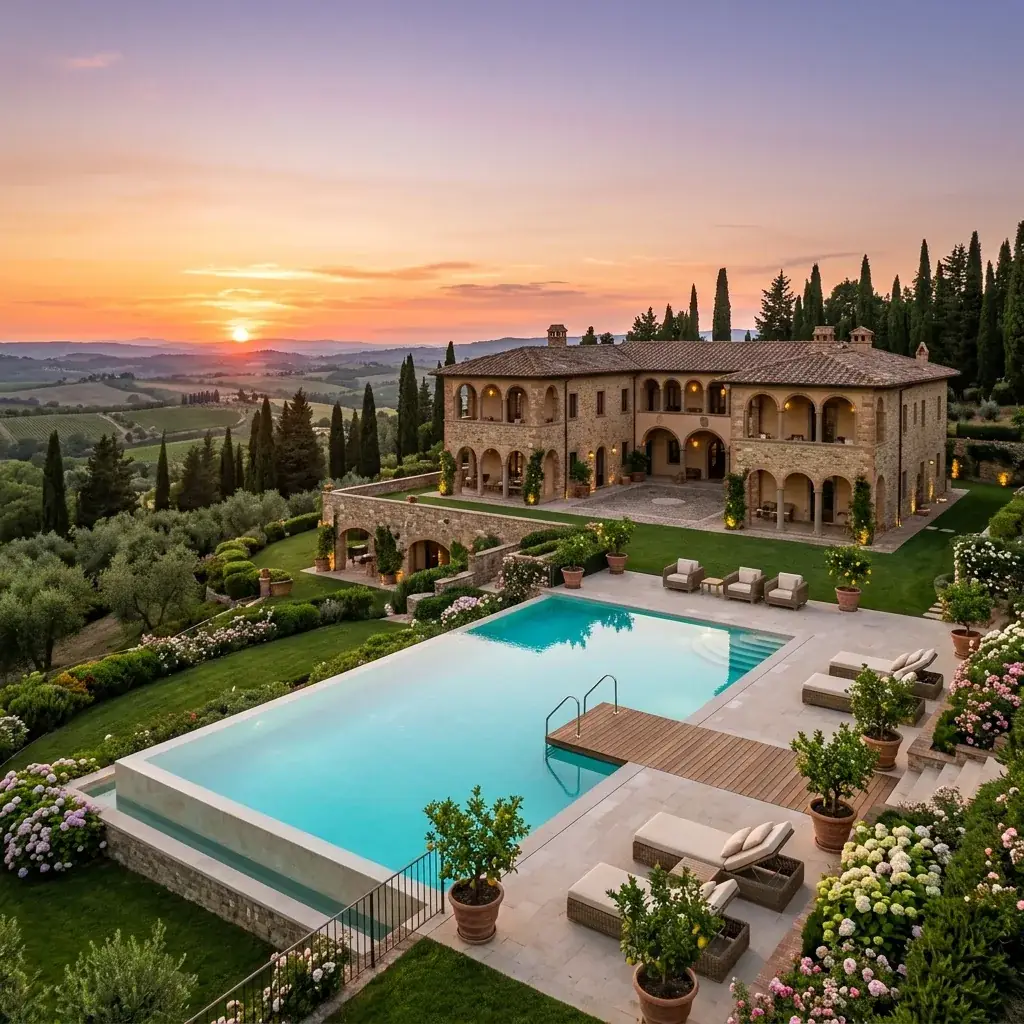
The venues
villas, castles and historic residences · see all →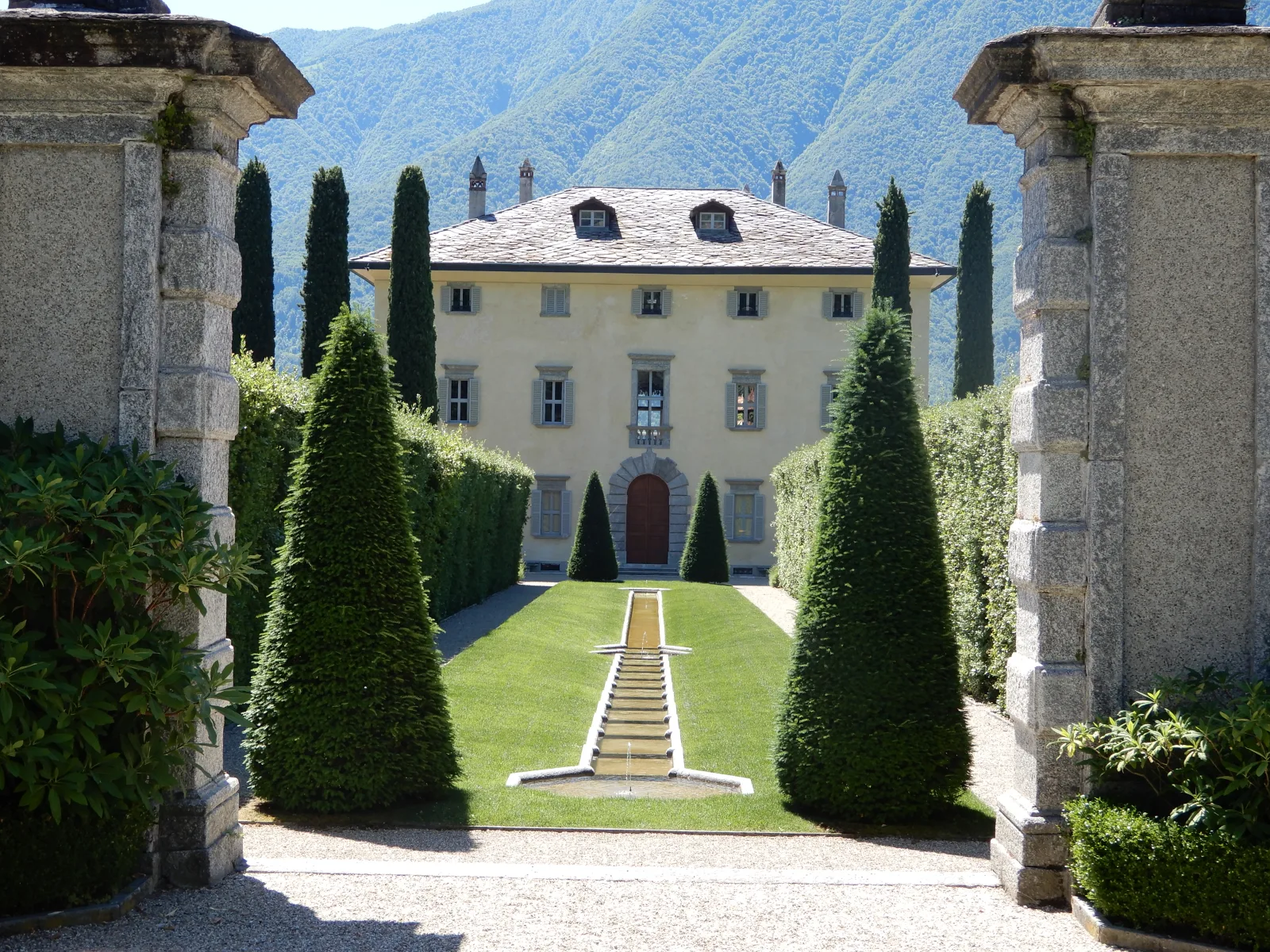
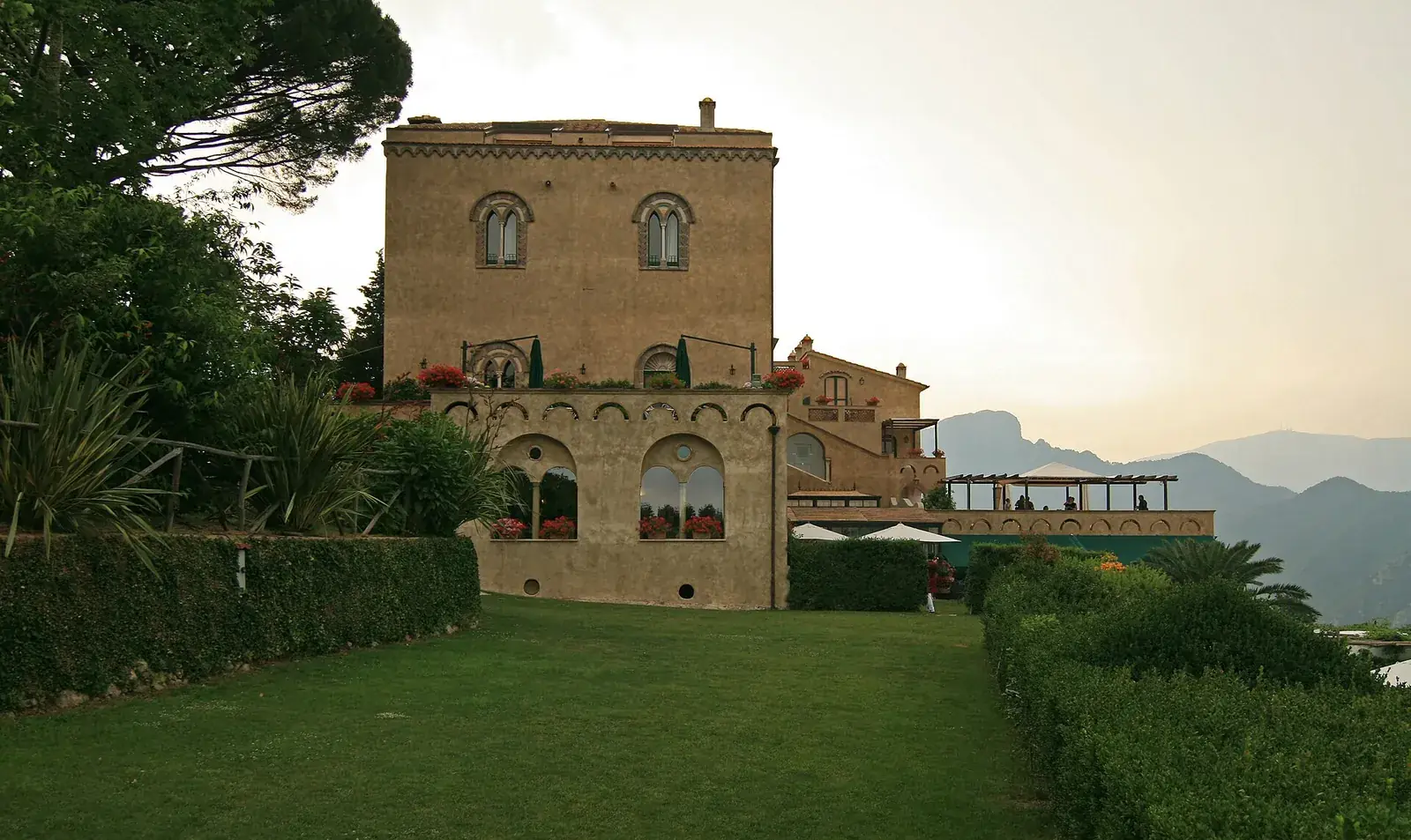
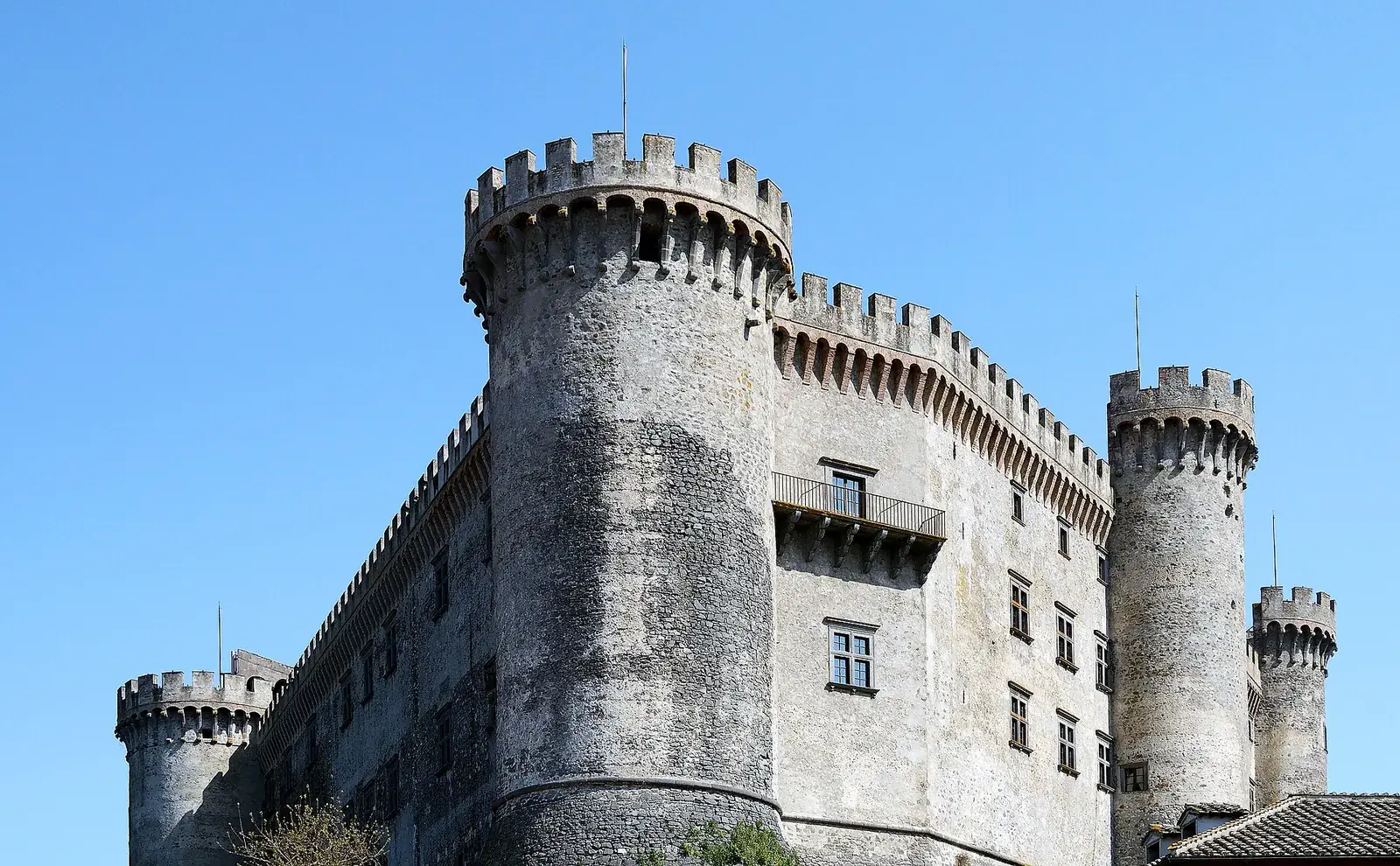
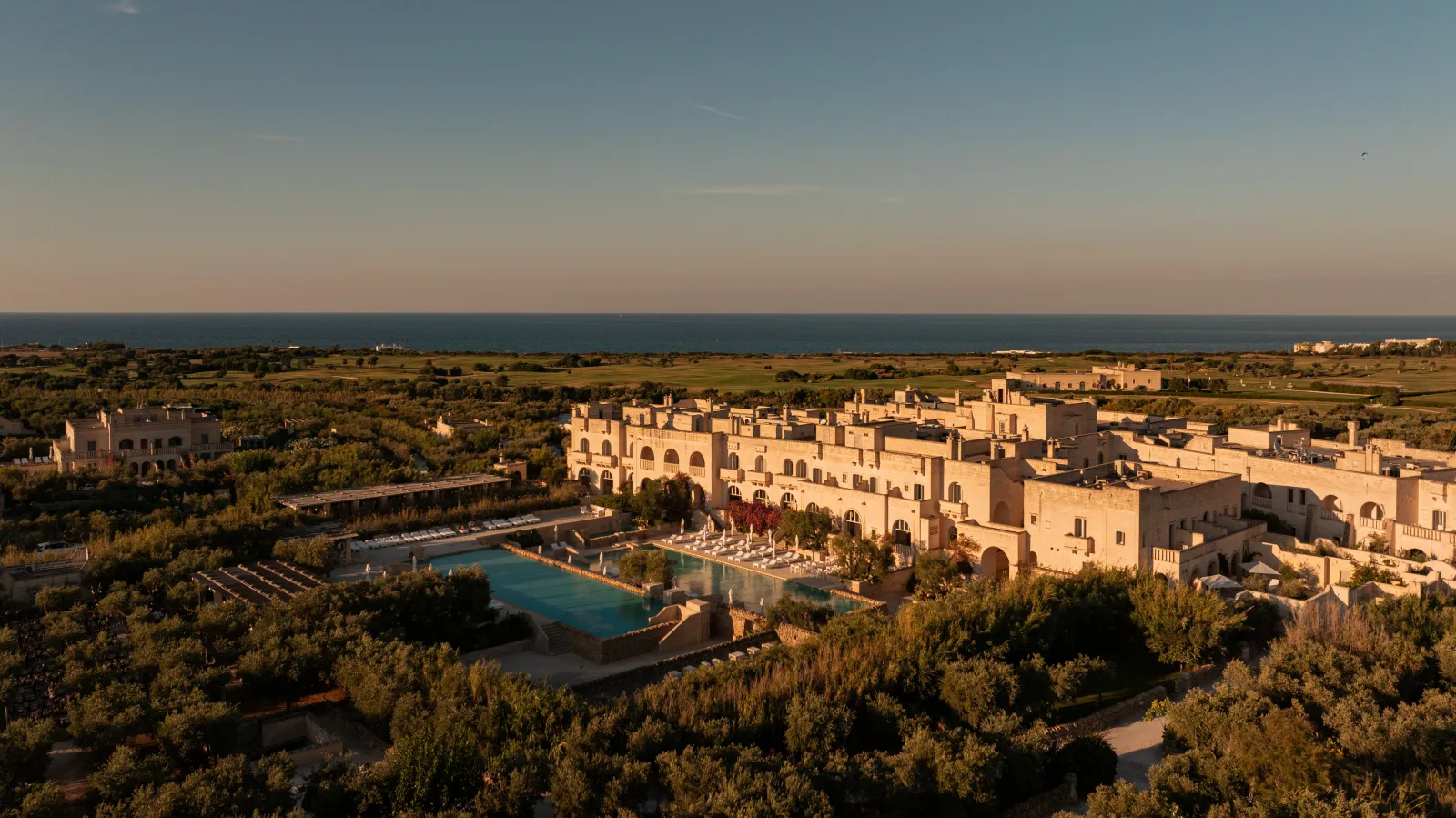
All articles


Tell us about your event
Planning a wedding, a gala or a luxury corporate event in Italy? Tell me what you have in mind: I'll try to put you in touch with someone who can build a proposal tailored to you, not from a catalogue. No newsletter, no use of your data for generic marketing.